Essay 04 · Rumi · Spirituality · Loss and renewal
Anything You Lose Comes Round in Another Form
A short reflection on loss, impermanence and a line attributed to Rumi.
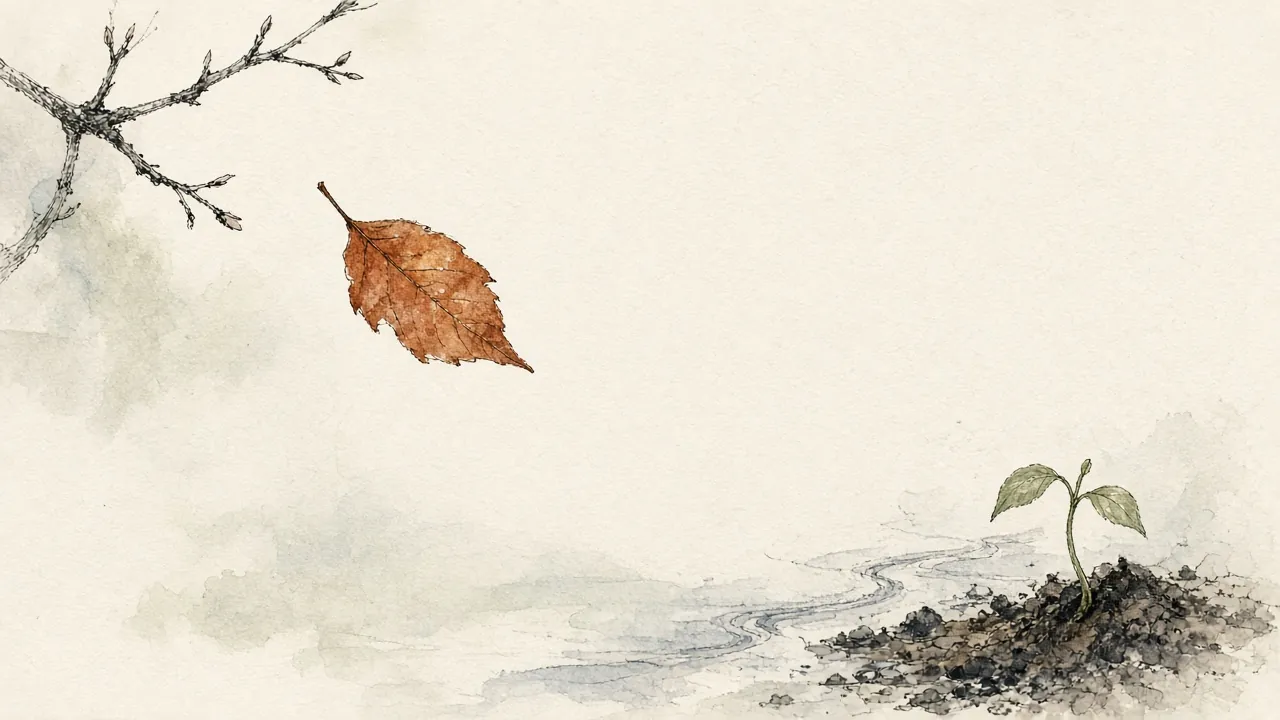
We have all experienced that heavy moment when something important slips through our fingers.
You pack up your desk after an unexpected layoff, or you watch a long-term relationship come to an end.
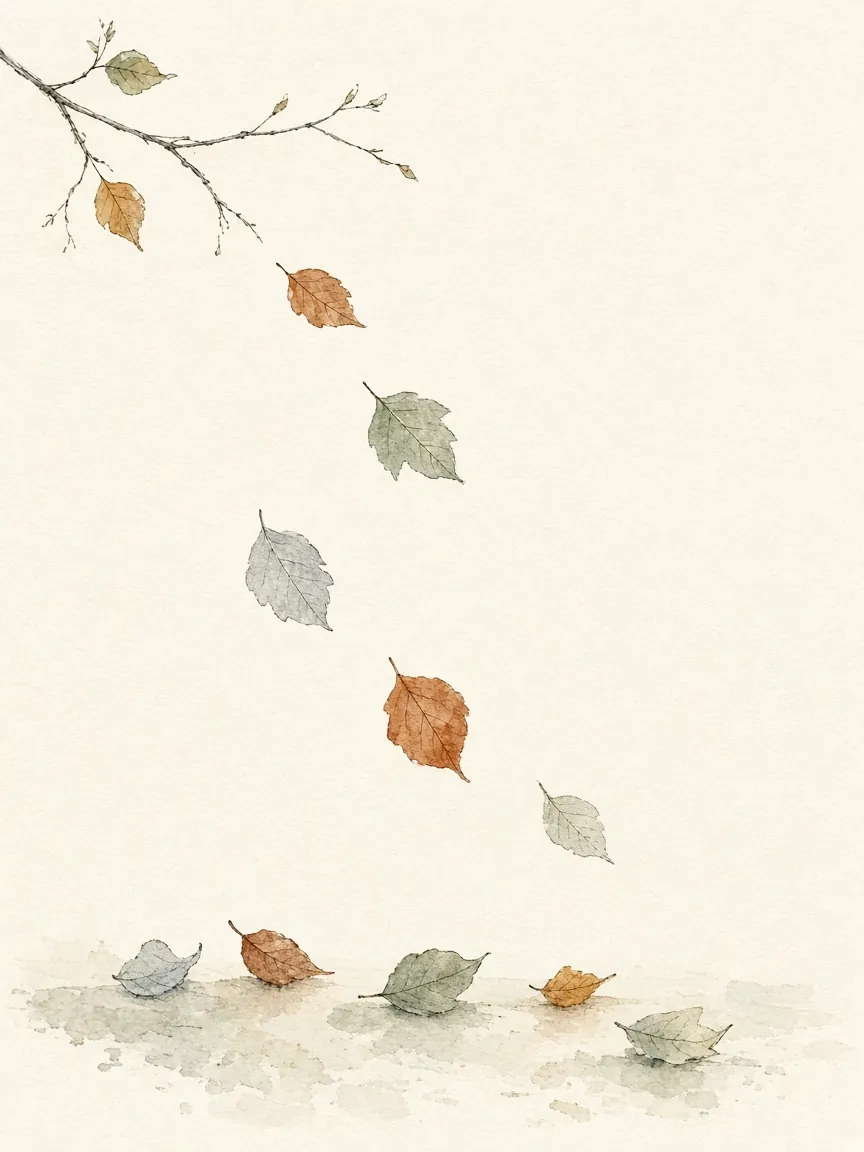
Have you ever wondered why life forces us to let go of things we love?
Does every painful ending truly lead to a fresh beginning?
When you feel like you have lost everything, how do you find the strength to move forward?
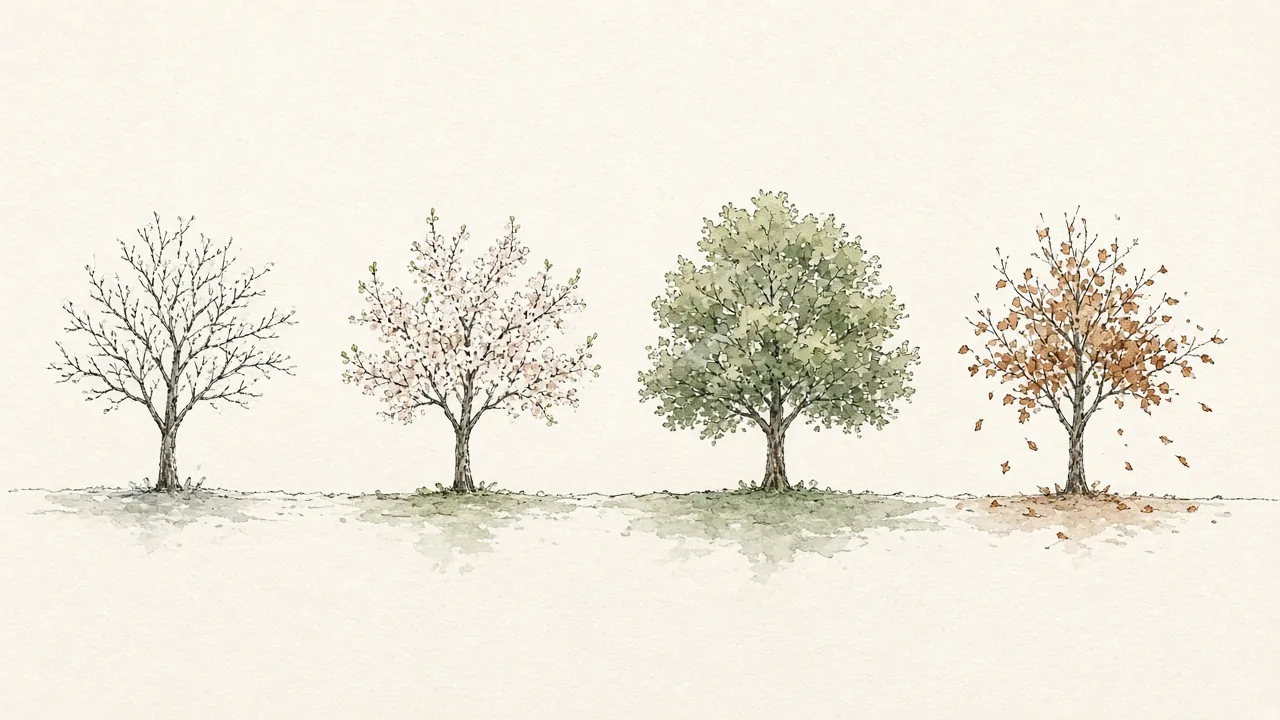
The Quote of the Day offers timeless wisdom for these exact moments.
Jalal al-Din Muhammad Rumi wrote:
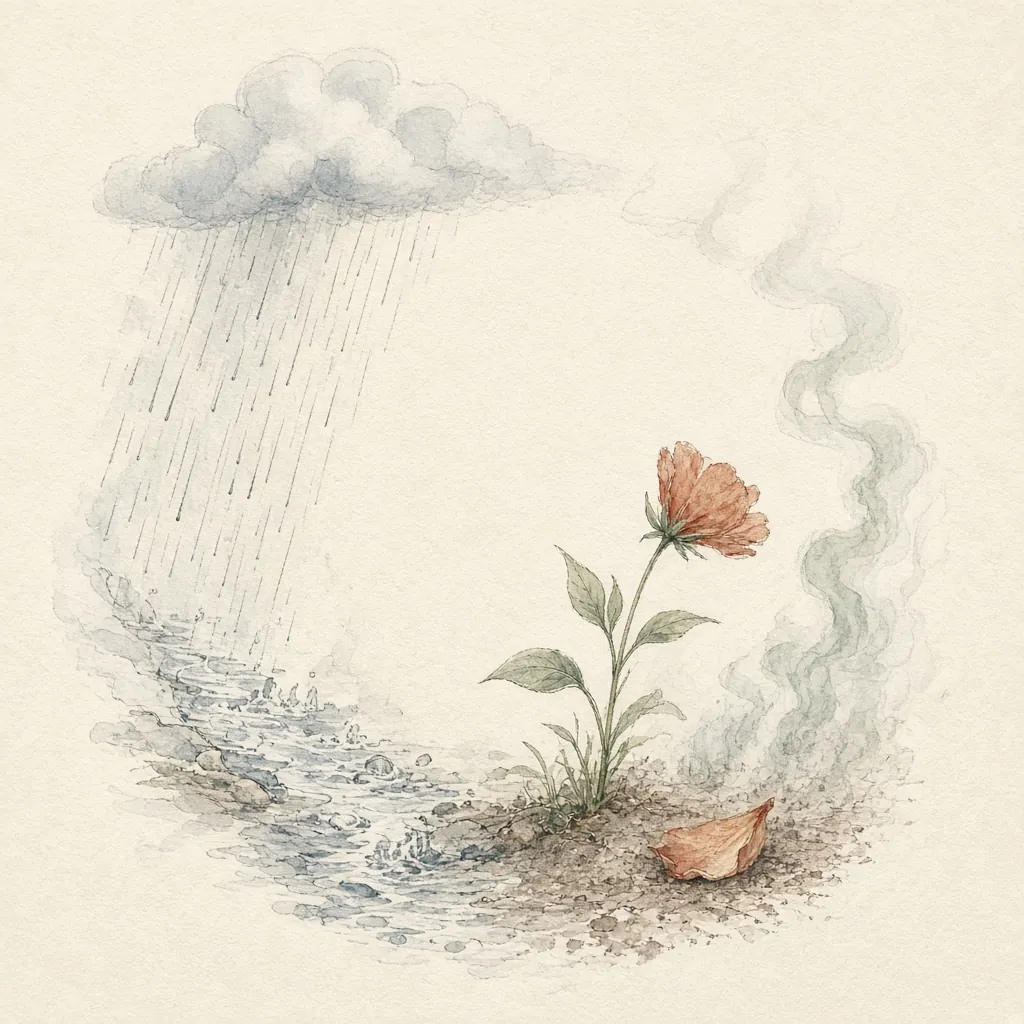
Don’t grieve. Anything you lose comes round in another form.
This powerful line is widely attributed to Rumi. Popular English poetic renderings by writers such as Coleman Barks have brought Rumi’s words to millions of modern readers.1

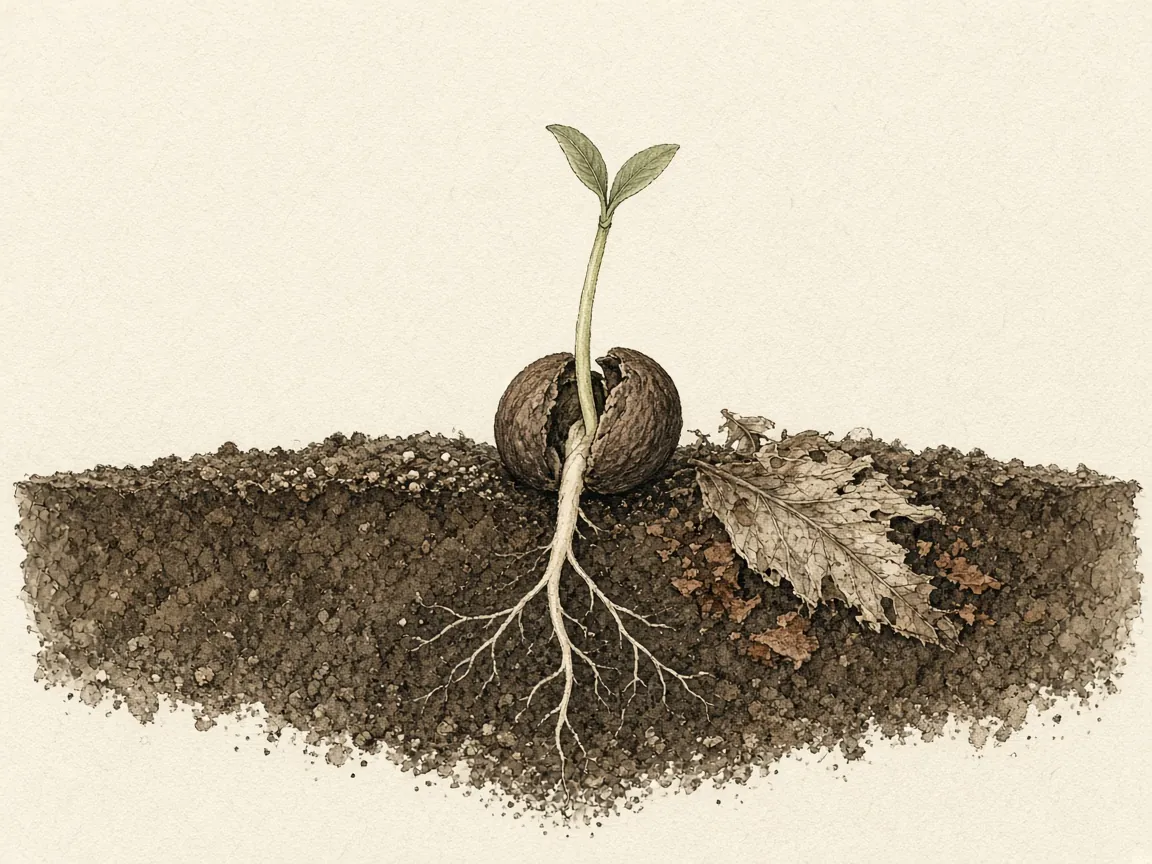
The message suggests that life moves in cycles, and what we experience as loss may sometimes be understood as transformation.
Notes and sources
Notes marked Editorial note, Context or Verified were added by the editors to correct, clarify or confirm a point. They are not the author’s words.
- Editorial note on the quotation. The English line opens "Unmarked Boxes," a version by Coleman Barks with John Moyne, first published in *Open Secret* (1984) and reprinted in *The Essential Rumi* (1995). It is based on a genuine poem by Rumi, ghazal 1937 of the *Divan-e Shams*, but it is a free poetic rendering rather than a literal translation; Barks does not read Persian and works from scholars' English versions. The Persian couplet reads «هر خوشی که فوت شد از تو مباش اندوهگین / کو به نقشی دیگر آید سوی تو، میدان یقین», roughly “Do not grieve for any joy that has slipped away from you; know for certain that it comes back to you in another form.” Rumi speaks specifically of joy, which Barks widens to “anything you lose.” The Persian text on Ganjoor (ghazal 1937); on Barks’s method, see Rozina Ali, “The Erasure of Islam from the Poetry of Rumi”, The New Yorker (2017) ↩